
Paid vs. Organic Social Media: Knowing When to Use Each
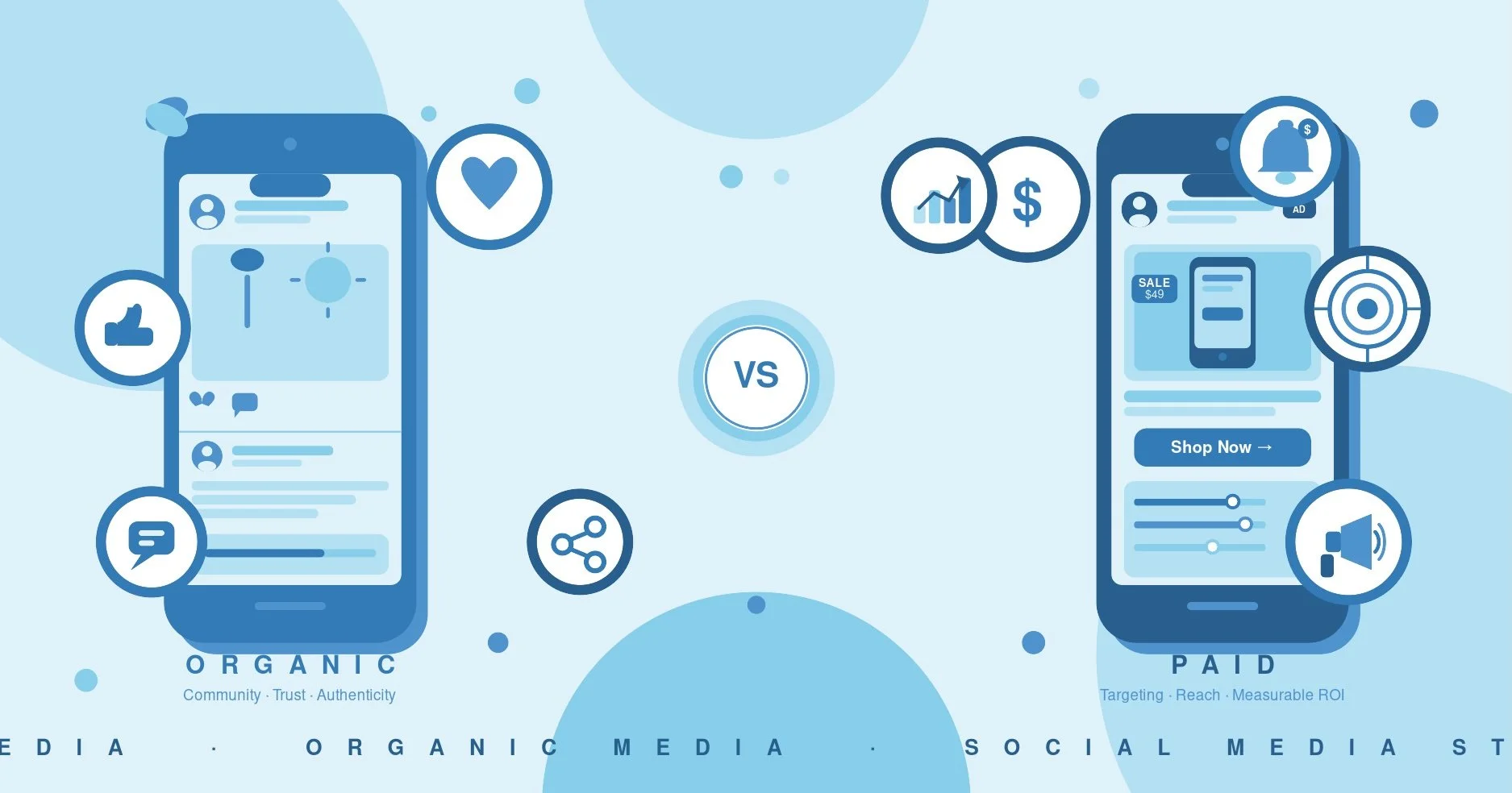
Social media is no longer just about posting. It’s about strategy. What is posted, when, how, and to whom are all important players in social media success. Two fundamental approaches exist: organic and paid social media. The most successful brands understand how to leverage both, utilizing them to achieve their business objectives.
Understanding the core differences between organic and paid social media, and when to use each, is essential in building an effective digital marketing strategy.
What is Organic Social Media?
Organic social media is unpaid content shared to a brand’s profile, including posts, stories, reels, and community engagement. Brands use organic content because it builds trust over time and fosters authentic relationships, a key reason why social media users have active accounts.
According to data compiled by Social Insider, Facebook has an average reach rate of 1.20%, and Instagram is sitting at an average reach rate of 3.50%. This reach represents the total number of unique users who have been exposed to a piece of content within a selected timeframe.
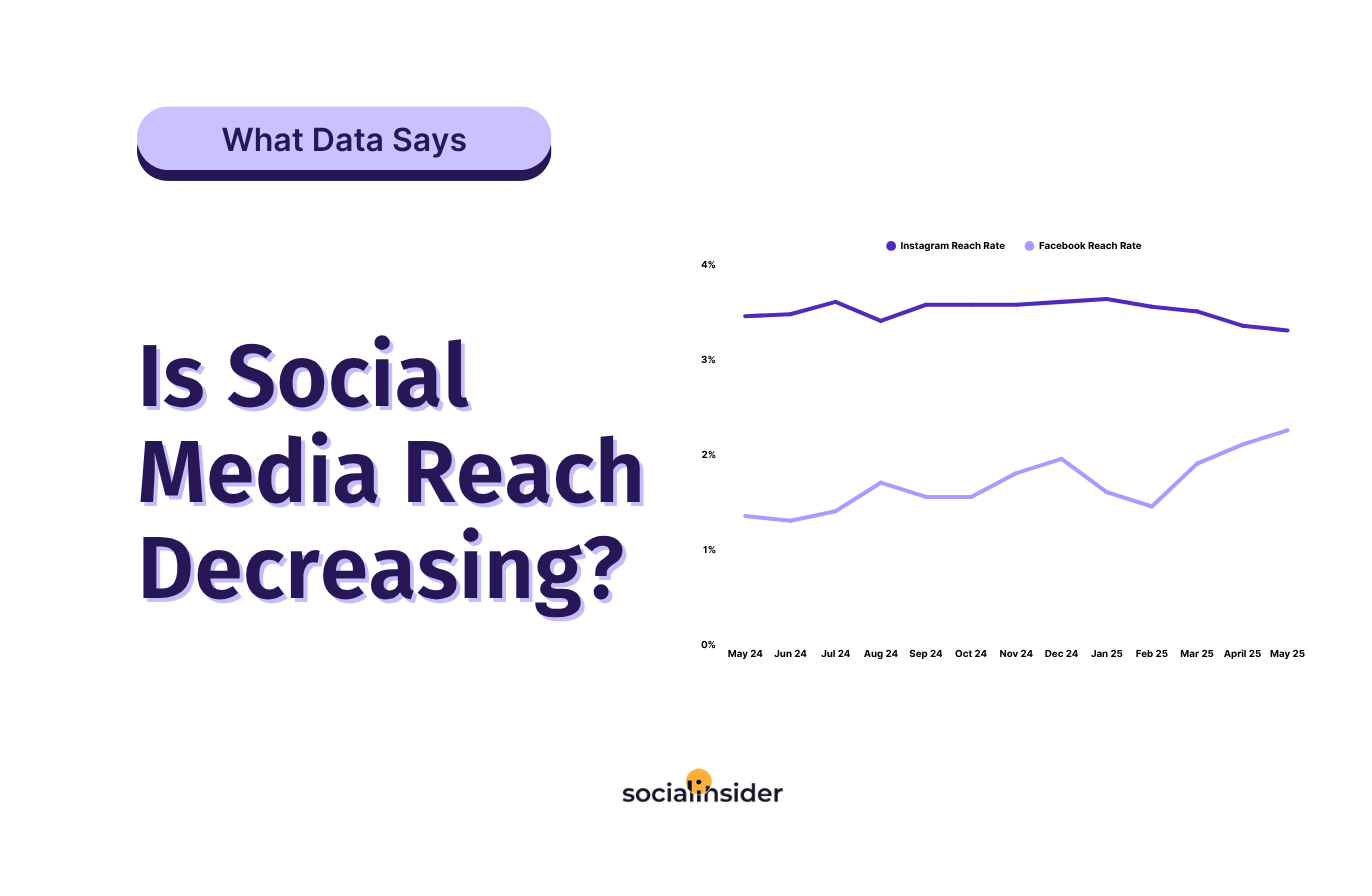
This chart shows the reach rate change over time, from May 2024 to May 2025. The top line represents Instagram, and the bottom line represents Facebook.
This is why strategy matters. Organic content covers community building, brand personality, and long-term loyalty, so another approach is needed for building sales and customers.
What is Paid Media?
Paid social media is sponsored content, promoted posts, and ads served to targeted audiences. Offering precise demographic targeting, immediate visibility, and measurable return on interest (ROI), paid social works best for product launches, lead generation, retargeting, and expanding reach beyond current followers.
Social media ad spending is expected to grow 15.6% in 2026, reaching nearly $125 billion. Businesses are willing to allocate more of their budget to receive more attention from users.
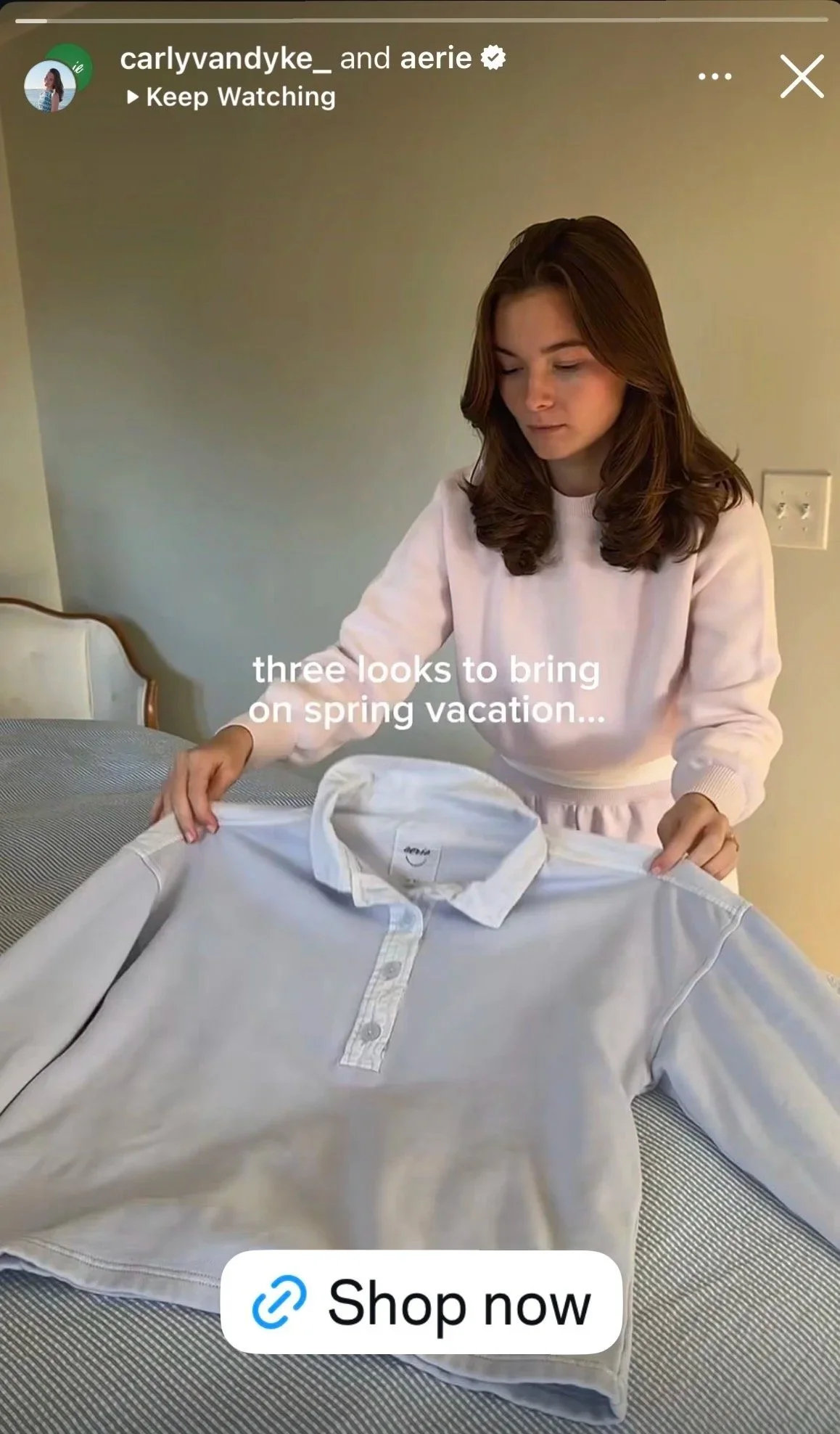
This Instagram story is an ad for Aerie, a popular clothing brand from American Eagle. It uses user-generated content (UGC) to relate back their brand personality and relationships with customers.
Key Differences
Organic social content is free to post, making it accessible for anyone and any brand with an account. Paid content requires a budget, but it can be as low or as high as the brand can go.
With paid media, you can precisely target who sees your content and when. Platform ad managers, like Facebook Ad Manager, allow professionals to segment based on location, gender, interests, age, and more. With organic content, you earn your visibility through the algorithm.
Paid media delivers rapid results, depending on the length of the campaign. Organic content is a long-term play since it lives on the account permanently unless taken down. Paid ads cease to exist once the budget runs out.
Organic content requires strong copywriting, visual design, and community management skills, while paid media involves audience targeting, ad optimization, and data analysis. One person can’t run the whole show: successful social media needs a team.
When to Use Each
Use organic content when building or nurturing a community. Users want authentic moments, conversation, and personality. Sharing brand values, culture, and behind-the-scenes content gives customers a better view of the brand they are supporting, both financially and socially. Organic content can also be used to make users feel like part of the brand. With less risk than paid content, use organic to test content ideas before investing ad spend.
Use paid content when launching a new product or entering a new market, and you need fast audience awareness. Targeting capabilities, along with other ad tools, make sure the right people see content. This works with retargeting leads and website visitors, as well. Third-party data collection, like cookies collected on a website, provides data about where users left off with a product or website. Got something in their cart but haven’t clicked purchase yet? Paid content allows businesses to specifically target ads at these individuals. Paid content can also be used when running time-sensitive promotions or events, given day-to-day budget allocations.
A hybrid approach using both organic and paid content is the most successful. Use organic content to establish the brand and its values, then use paid content to boost organic social media marketing efforts. No matter what type of content, the brand should be cohesive.
Paid content can go where organic content cannot. Sprout Social writes, “Organic social helps you build relationships with consumers. Paid social enables you to leverage that trust and relationship beyond their feeds to achieve specific outcomes.”
As long as organic and paid social media content is tied back to business goals. The data that all types of social content offer reveal actionable insights for customer service and product development.
Conclusion
Successful social media marketers don’t use one or the other. Organic and paid social media serve different purposes, and they work best when balanced. Before finding that balance, conduct an audit on current goals, budget, and timeline.
A thoughtful hybrid strategy is how modern brands build both reach and relationships. Advertising isn’t going anywhere, but authenticity is still a top priority.

Nice to meet you! I’m Erin Russell.
I love to talk, and that’s why I chose communications. I get to talk to people across the world through different forms of media.
My people skills are my superpower. Need someone to draft your next professional email, represent your company at an event, and lead teams into strategy-driven campaigns? I’m your gal.
Let’s talk more!
